Share the Co-op Side of Tech!
Georgia Tech’s Co-op Program is the largest voluntary collegiate co-op program in the country. Read about early career adventures Tech alumni have had and send your own.
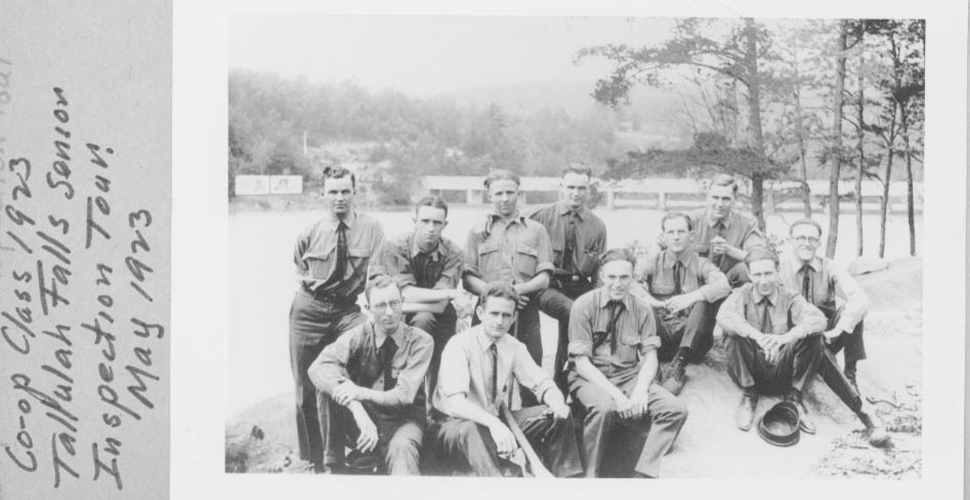
In 2024, 130 students graduated from the co-op program while median salaries for Tech graduates were $84,000—27.9% higher than the national average. Since Tech’s co-op program began in 1912, co-op students have worked at the biggest companies in the South, including Georgia Power, The Coca-Cola Company, and Delta Air Lines.
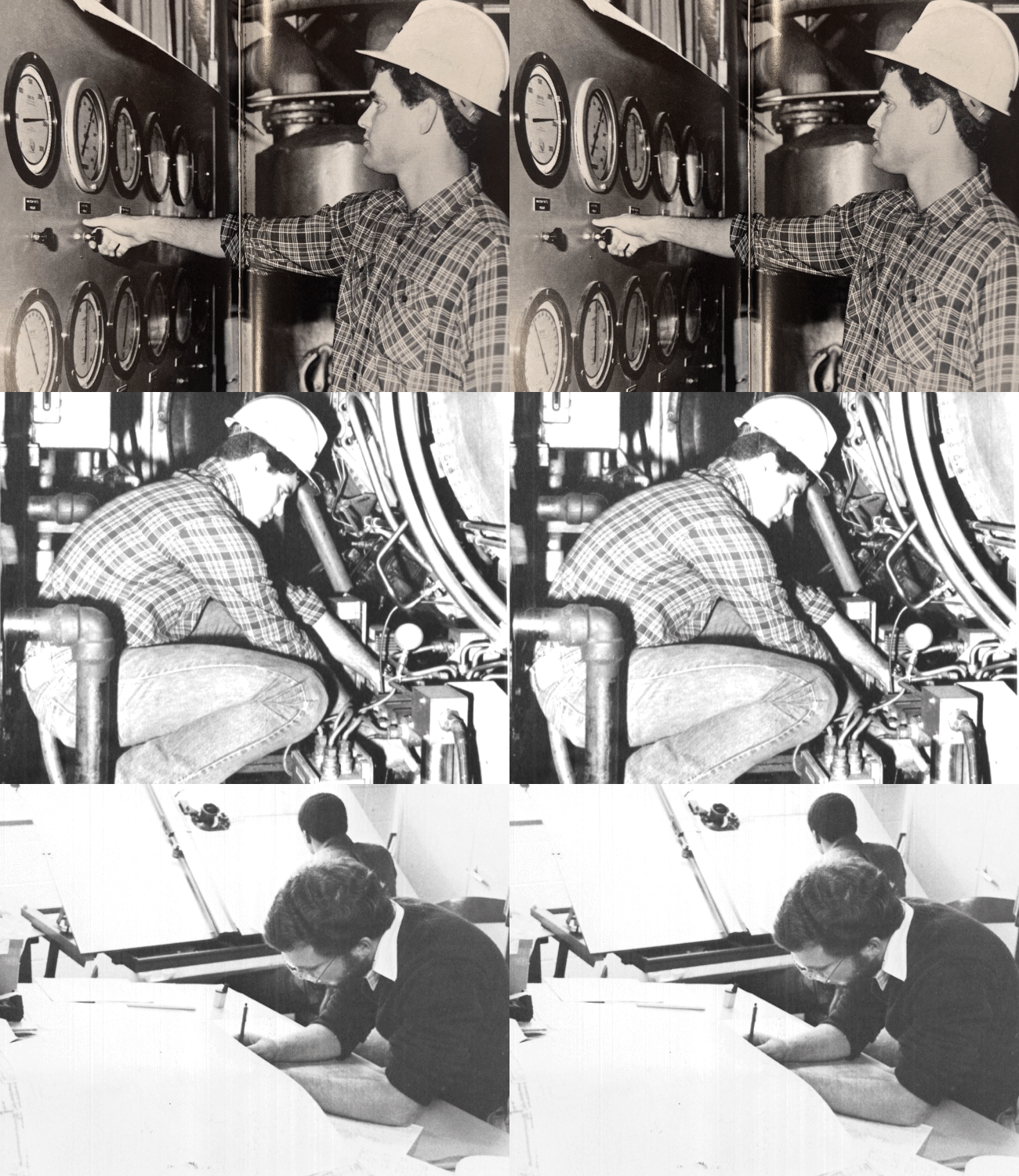
Since the Co-op Program started in 1912, thousands of companies have participated.
By Jack Purdy, BA 22
The first company to hire a Tech co-op student was the Gibbs Gas Engine Company, which hired George Semmes, ME 1910, in 1910, as part of Tech President Kenneth Matheson’s early experiment into cooperative education.
Tech’s co-op students regularly worked at utility, rail, and power companies.
Early co-op companies including Georgia Railway & Power Company, Ford Motor Company, Fisher Body Plant, DuPont Rayon, Eagle and Phenix Mills, GE, Graybar Electric, Tennessee Eastman, U.S. Pipe and Foundry, Western Electric, and Atlanta Gas Light (later part of Southern Company), employed co-op students in many stages of its gas production process to power Atlanta. 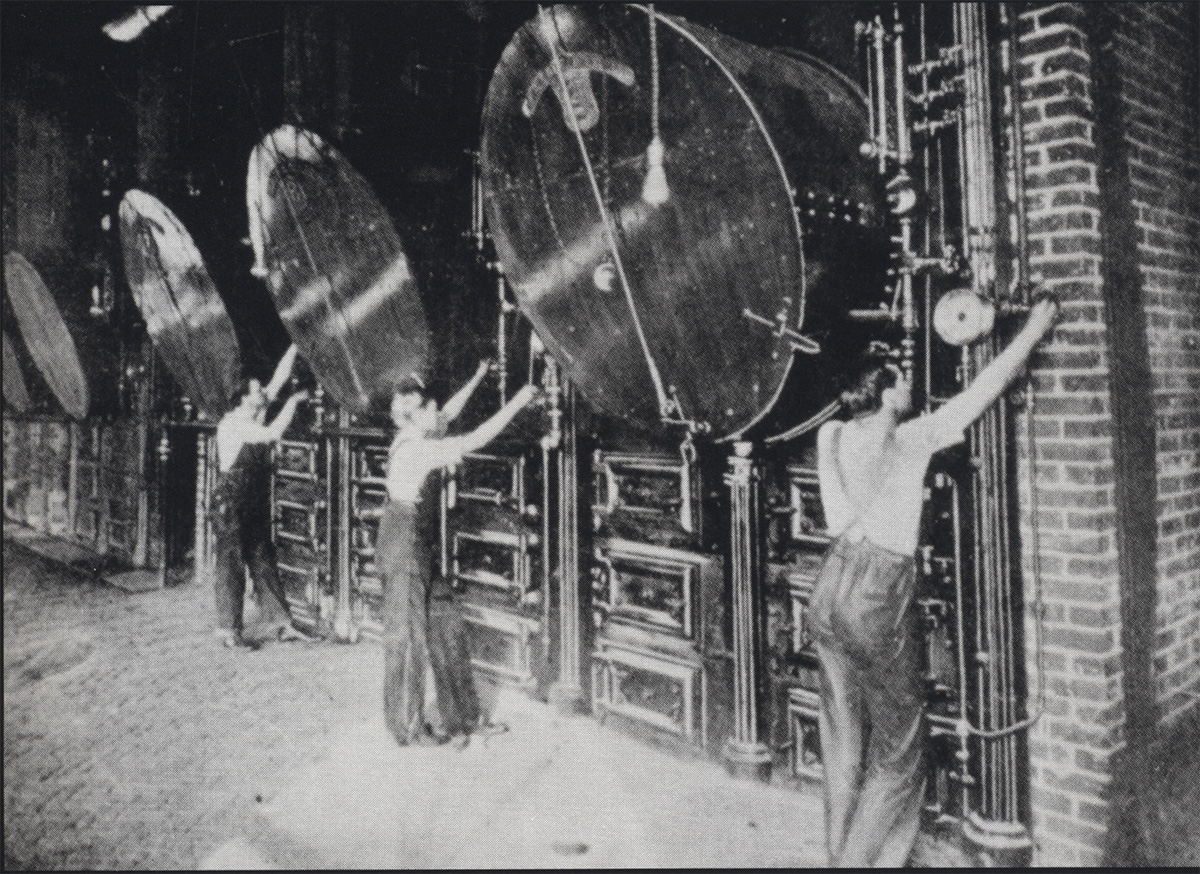 Georgia Tech co-op students in 1912 testing boilers at the Atlanta Water Works station on Hemphill Avenue.
Since 1980 (the earliest data available on the program), the co-op program regularly graduated between 300-400 students a year. In recent years, Delta Air Lines, Chick-Fil-A, Cox Enterprises, and The Coca-Cola Company have employed the most co-op students.
In 2024, 34% of students who had an internship or co-op position continued with their same employer after graduation, according to the Georgia Tech Career Center’s 2024 Career & Salary Employment Report.
Georgia Tech Co-op Memories
“My first job was with the Mutual Foundry and Machine Company. It was in the tool room of this shop and I got paid a tremendous sum of $0.20 an hour. I got a chance to change to Davidson-Kennedy who made cotton seed oil. That paid $0.25 an hour. On my own, I got a job out at the Ford Factory on Ponce De Leon, it was not a very clever design for an assembly line operation. I can’t remember whether it was $1.00 or $5.00 a day, but it was big money and it went a long ways. I felt well off. It was a co-op job, but I found it on my own.
Most of the co-ops went with Georgia Power more than any other company. Most stayed with the same company the whole five years. For others, they would have co-ops for a while and then drop the plan, so it varied.”—Randolf Whitfield, ME 1932, 1995 Living History Interview
“I always started with a co-op quarter. I went to South Georgia and worked for Atlantic Coast Railroad in Fitzgerald, Georgia, and it suited me fine. I went to work for 29 cents an hour for one month. Then I got a raise to 30 cents when minimum wage went in. I went to work as an electrician's helper. My assignment was to keep light polished in front of the engines. They even let me wire a whole engine by myself because I could do it.”— William Bohannon, Jr, ME 47, 1998 Living History Interview
“I worked at Marshall Space Flight Center in Huntsville under a contract with Brown Engineering, primarily doing drafting work. The big tower that serviced the Saturn rocket had seven arms that swung out to it. It’s the launch tower and service arms. I was working on just about everything all over that tower when I was a co-op.” —Terry Johnson, ME 65, from A Century of Progress: The History of Cooperative Education at Georgia Tech
Mark Bayer, MS AE 94: “Four quarters of co-op with Rolls Royce, Inc. They had an engineering office out in Smyrna at the Overlook office complex. That co-op helped me get a job with McDonnell Douglas in 1995 working on the F/A-18 Super Hornet flight test program.”
Shaun Black, ME 04: “An aviation geek from birth, I always knew I wanted to work on aircraft. I also had a family member go through a co-op program in school, and I was convinced right away that it was a no-brainer of an idea. So much so that as a high school senior I researched schools that offered co-op programs and I wrote emails to recruiters at Lockheed, NASA, Boeing, and others asking at which schools they hired co-ops: Georgia Tech topped the list every time. After getting accepted (yay!) and switching from aerospace to mechanical engineering, I began to apply for co-op positions. Sure enough, I got an interview with Lockheed and on my way to their Marietta facility I saw a pair of F/A-18s fly right over my head on their way to land at Dobbins and I knew right away this was the place. I got the job and spent five semesters in various areas learning all about how military aircraft are designed, manufactured, and tested. It led to a successful career as a Flight Test Instrumentation Engineer during which I had amazing opportunities from monitoring instruments during negative-G roller coasters on C130Js to recording telemetry data at Edwards Air Force base during dynamic taxi testing of re-engined C5 Galaxys. While my career changed completely after Lockheed, my passion never changed and I'll always cherish the experience and thank the Georgia Tech Co-op Program for allowing me to live it.”
Ron Bowers, EE 63: “Co-op enabled me to afford Tech and work near home with a local power company. At graduation in ’63, there was a great demand for EE’s and I landed a job with a microwave company (Page Communications Engineers). Spent five years overseas in Vietnam, Germany, Philippines, and the U.K. Transitioned to microwave engineer, then project engineer. Returned to the States in 1968 to enter graduate school in Biomedical Engineering at University of Virginia. While in my first year there, I was offered a chance to apply to medical school if my test scores were high enough. I graduated med school in 1972 and practiced Critical Care Medicine/Pulmonology for 40 years. Georgia Tech and the co-op plan gave me my start. Forever grateful.”
James Corbett, EE 93, MS EE 95: “I started Tech two weeks after high school in the summer of 1987, while the rest of my senior class was on the senior cruise. I had no interest in the cruise but had been chomping at the bit to get started at Tech since 6th or 7th grade. One of the reasons I started the summer was so I could start co-oping earlier. My first interview was with Scientific Atlanta, my second was with GTRI in Cobb County, and my third was with GTRI (Tim Strike) in SEL working in CRB. I took the third offer and spent 12 of the next 22 quarters co-oping. GTRI at the time was not hiring without already having a master's degree, so when I got my bachelor’s in March 1993 (right after the Blizzard of the Century) and got back in line to get my master’s and did graduate co-op for two quarters before the GTRI rule was relaxed, and I hired in as a Research Engineer I in December of 1993. That is 14 total quarters co-oping at GT.
Fast forward 32 years, and I am a Principal Research Engineer at GTRI, having spent my entire career here. Looking back, I wouldn't change a thing!”
Robin Hackney, CE 01: “I co-oped with U.S. Fish and Wildlife on the quarter system, which meant lots of CAD and trips to fisheries and wildlife reservations across the southeast every summer and winter. My boss was a Tech grad (after failing out the first time) and I'm pretty sure his main goal of hiring me was so that he didn't have to be the one in the pee-row boat in the middle of the alligator infested swamp in order to survey the area. He happily stayed on the bridges and took the shots. Thankfully, I survived and was able to just barely pay for my out-of-state tuition with the income.”
Dan Hays, EE 95: “Co-oping for IBM (the part that’s now Lenovo) for six quarters was one of the best things I did while I was at Tech. It allowed me to get meaningful experience, shaped my course selection, and helped me to pay for school. Graduating with it on my résumé made me a much more attractive candidate for employers and accelerated my entry into the workforce.”
Patricia Livingston, MS CS 91: “I didn't do an internship in undergrad at a different college. So, when I applied for jobs, I was disappointed at the starting salaries. That's when I made the decision to attend Tech for grad school. When I found out they had a Graduate Co-op Program, I was ecstatic! I co-oped with IBM for four quarters while earning my master’s degree (which took six quarters due to a major change). I went on to work for IBM for 12 years following graduation. It was a fantastic program, as was the staff, and was so impactful for my career!”
Robert Permar, CE 68: “I started as a Co-op in the Fall of 1963, mainly because it was the only way I could afford to attend Tech. I started as an AE but decided to switch to CE. I went to my co-op director and explained my dire financial situation. He said I would have to attend the winter quarter at Tech and that the only related job that he could offer me was in the spring quarter working for the Louisville & Nashville Railroad Company. I hadn't even considered working for a railroad, but since I was desperate, I accepted that offer. Thereafter, I worked for the L&N in Nashville, Louisville, and Birmingham. I finished my last work quarter in Birmingham in June 1967. Our son was born in September 1967. Although I was not a fulltime employee of the L&N, they agreed to pay for his birth. It cost us all 10 cents. When I graduated in the Fall of 1968, I went to work for the L&N full time. The Tech Co-op program was a life-saver for me and my new young family!”
Phillip Thomas, IM 77: “I started Georgia Tech in the fall of 1972 as a regular student, and I attended three straight quarters. Co-ops normally started off alternating work quarters as a freshman and then attended three straight quarters as a senior. In the spring of 1973, I decided I wanted to be a co-op but there was a deep recession in ‘73/74 and the school said there were no jobs available. The wholesale produce company that serviced southeast Florida with 250 employees I had worked for during the summer of ‘72 said they would call me a co-op and give me a job in the winters, too, so I became their first co-op. In 1975, the job market opened up and Georgia Tech helped me become a co-op at Lockheed, where I stayed until 1986. I alternated work quarters through my senior year at Lockheed, which one normally didn’t do at that time, and I graduated on schedule in five years during June ‘77. Co-op is on my diploma and I still get a $26.76/month pension for that time from Lockheed as they classified co-ops as hourly exempt (from the union) at that time. I reflect back on those memories very fondly and stayed with Lockheed for nine years after I graduated.”
Kate Woodward, CE 79: “I had co-op positions with GTRI, Figgie International, and The Southern Company. With Figgie, we co-ops shadowed consultants, so I traveled to Cincinnati, Charlottesville, Los Angeles, and London. It was my first trip out of the country! It inspired me to later ask for an expat stint when I worked for Accenture.”
James Butcher, AE 82: “I worked for Pratt & Whitney's Government Products Division in West Palm Beach, Florida between 1978 and 1980. I was fortunate to work in a different department for each of my 6 co-op quarters. I worked on testing rocket engines, large chemical lasers, and high-performance military jet engines being used on the F-15 and F-16 at the time. I also worked on a drawing board doing engineering design for jet engine parts, various test facilities, and other fixtures used for product support. I even had a chance to work in the team focused on reliability and safety. I had a government security clearance, made good money compared to most of my peers, and most important of all, I learned what engineering roles were a good fit for me and what roles would be best for me to avoid. All that I learned as a co-op was definitely valuable--I actually ran into people familiar with some of the projects I had worked on at Pratt & Whitney while I was getting started with my first professional job. I have made a point to always suggest co-op or internship experience for anyone in college. One of the best choices I ever made in my life.”
From Lehigh to Cincinnati to Atlanta, the idea of cooperative education spread to Georgia Tech.
By Jack Purdy, BA 22In 1912, 24 years after the Georgia School of Technology opened its doors, the Cooperative Education (Co-op) Program began at Tech. President Kenneth G. Matheson was facing an academic attrition problem with students. Seeking ideas, he visited the University of Cincinnati to see a new kind of program, then known as the “Cincinnati Plan.”
The concept came from Herman Schneider in 1902 who had noticed his engineering students at Lehigh University were struggling to grasp the material and came up with the idea of the co-op methodology to aid in their learning. Additionally, the graduating students who worked at the nearby steel mill often were put on probationary periods because they didn’t have enough hands-on experience to immediately step into their roles.
Schneider came up with a plan to have students alternate their time between taking classes and working real engineering jobs. While it slowed down progress in the classroom, the time away enabled graduates to be ready for the workforce.
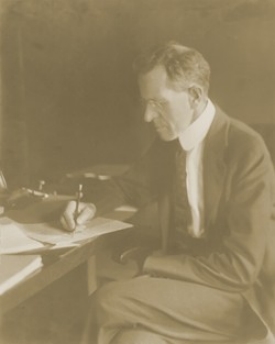
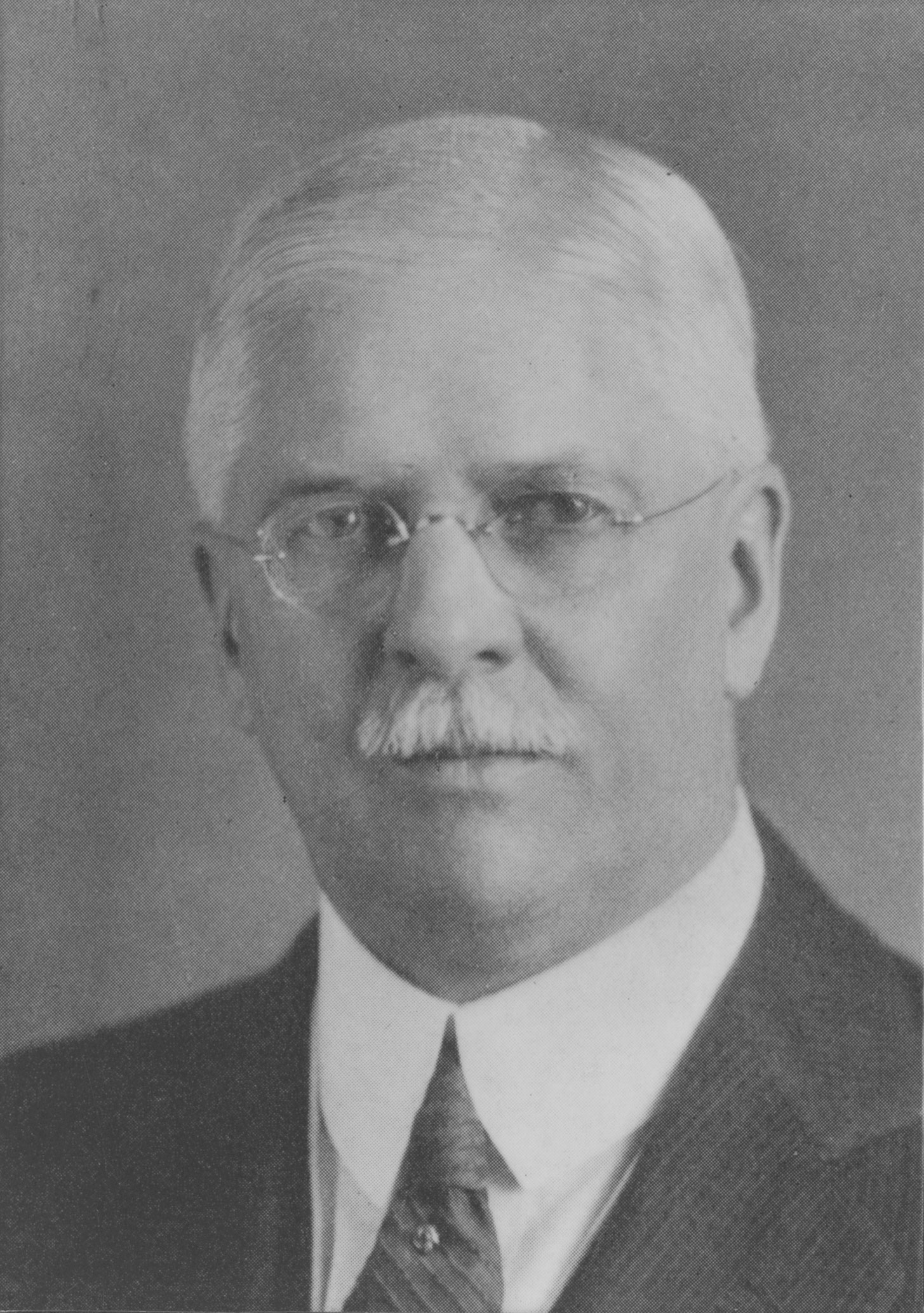
Thoroughly impressed, Matheson returned to Tech and initiated a committee led by Professor Thomas Branch to study the feasibility of a co-op program at Tech. At a June 1909 Tech Board of Trustees meeting, the results of Branch’s findings were presented, showing that “it puts students in position to enter upon their work immediately on leaving college and with a certainty of employment.”
That same year, Matheson discreetly ran his own trial with a single student, George Semmes, ME 1910, who worked at the Gibbs Gas Engine Company during the 1909–10 school year.
The program was approved for a trial in fall 1912 and Branch became dean of the program.
The Georgia Railway & Power Company was one of the first employers with students working in gas power generation and streetcar maintenance in Atlanta. Rail companies were a popular option for students since they could ride the trains for free as employees and received insurance.
A Co-op Dorm
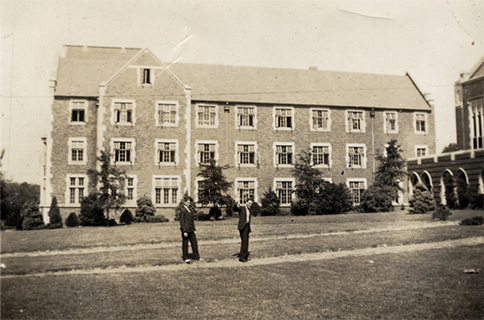
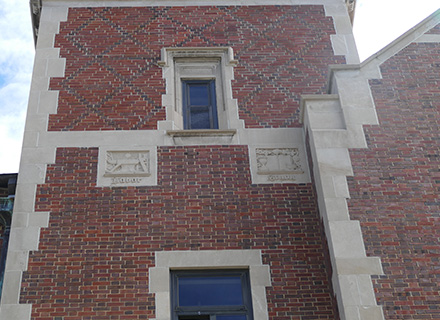
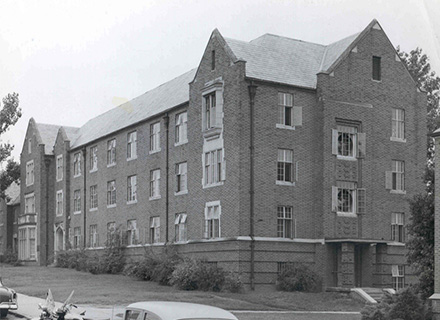
In 1932 Cloudman Dormitory was built and it became the residence hall for co-op students. The co-op director’s office was also located in the dorm so that staff and students were all under the same roof. The dorm featured two panels on the front tower representing the work and study components of the co-op program.
In 1939, Harrison Dorm was built and housed upperclassmen co-op students. Starting in the 1950s, Techwood Dorm was also used to house co-op students.
Largest Voluntary Co-op Program in the Country
As defense funding increased at Tech prior to the United States’ entry into World War II, the demand for Tech students increased as well. In 1941, a record 771 students were enrolled in the program. By the co-op program’s 75th anniversary celebration in 1987, it had become the largest voluntary co-op program in the country (it remains No. 1 today) and sixth largest overall.
A major change to the program came in 1998, when the Georgia Board of Regents voted to shift all University System of Georgia schools to the semester calendar. Previously, Georgia Tech had been on a quarter calendar. Starting in fall 1999, the co-op program transitioned to the semester program.
Between 2008 and 2016, the co-op program saw an increase in graduates every year, reaching as high as 523 graduates in 2016 (per Georgia Tech Factbooks).
Two social organizations that still exist today were born out of the Co-op Program: the Co-op Club and the Briaerean Honor Society. The Co-op Club began in 1915, organized by the original class of co-op students. Like other fraternities and clubs on campus, they sponsored events and participated in intramural sports. The club hosted one of the main balls, the Mechanics Ball.
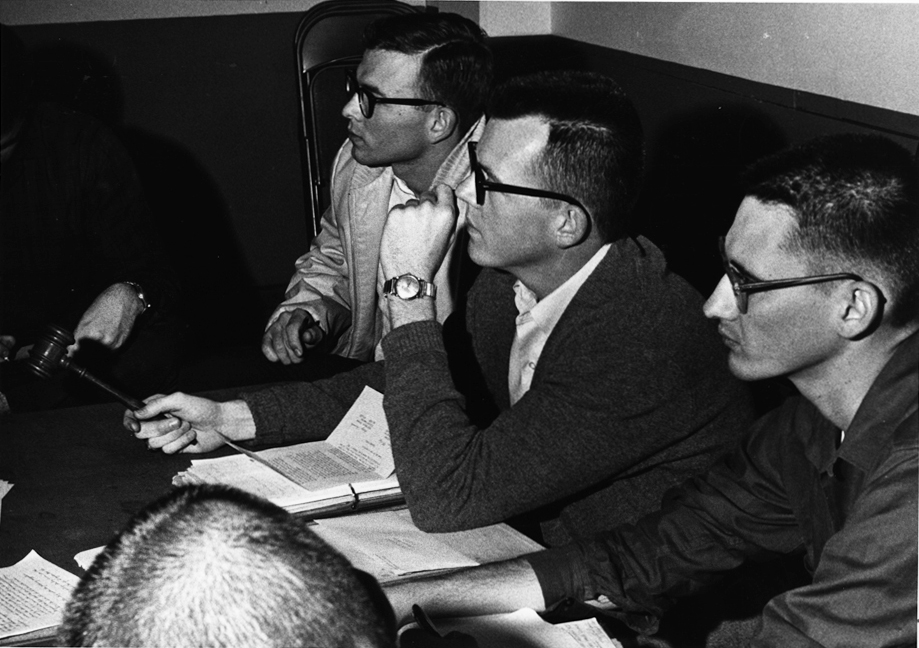
The Briaerean Honor Society is the honor society for the Co-op Program, which includes upperclassmen with GPAs above 3.0. In the past, the society ran its own events, including a welcome event called “Smoker,” where campus leaders spoke to students and cigarettes were provided for the listening audience.
In 1932, Griffin created the Georgia Tech Placement Center with his own money, and it became the second of its kind in the country.
By Jack Purdy, BA 22
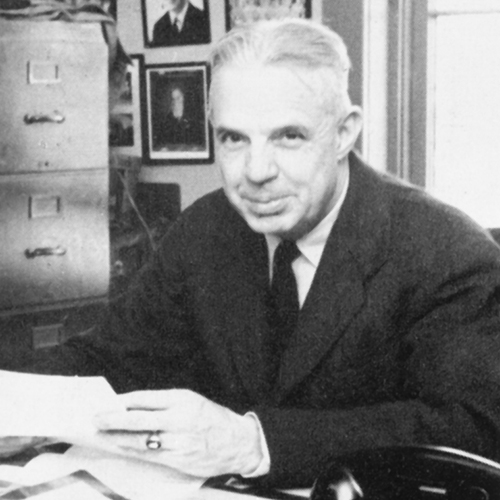 Like much of the United States, Geogia Tech was not immune to the effects of the Great Depression in the 1930s. Alumni and new graduates struggled to find work, a problem that then-Assistant Dean of Men George C. Griffin, CE 1922, MS IM 57, aimed to find a solution for. In 1932, Griffin created the Georgia Tech Placement Center with his own money, and it became the second of its kind in the country. Its role was simple: Find jobs for Georgia Tech students and alumni while serving as a one-stop shop for companies to come to Tech and recruit talent.
After getting called into wartime service in September 1941, Griffin appointed Fred Ajax to take over operations of the Placement Center. After World War II ended, Ajax elevated the Placement Center to one of the most important resources for Geogia Tech students.
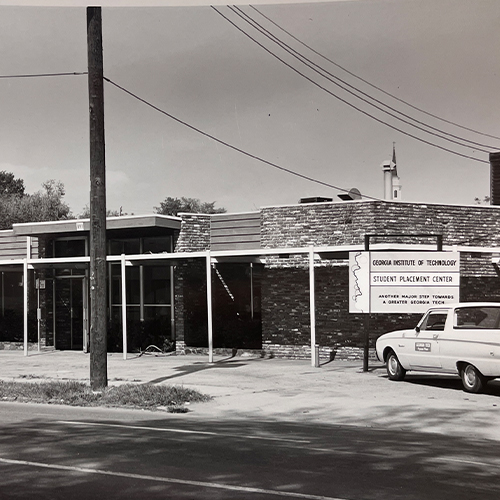
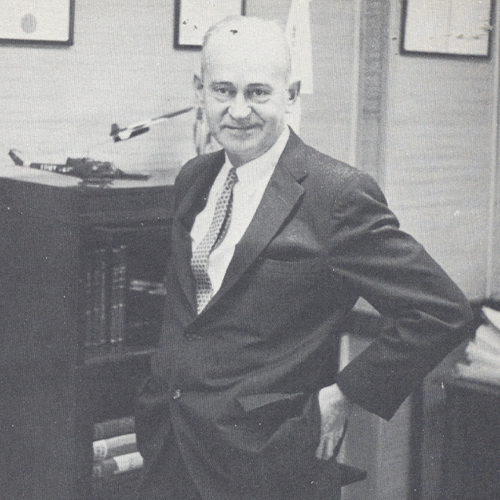
In 1953 alone, the center arranged 25,000 interviews for students. Over 95% of Tech graduates used the Placement Center to find a job, according to statistics in Dress Her in White and Gold (Revised Edition).
In 1965, the Ajax Placement Center opened at the corner of Hemphill and Ferst Drive.
Marlene Schiffli, former assistant to George Griffin, shares her memories of working with George Griffin and how students always came first. Daniel Blitch, IE 53, and Frank Smith, IM 55, talk about how the Placement Center was cruicial to the beginning of their careers